
Interiors
Inside the Biophilic Interior: Design Trends Defining 2026
As we move ahead in 2026, biophilic design continues to evolve beyond a trend and into a fundamental design philosophy. For interior designers and renovators, the conversation is no longer just about adding greenery or natural textures, but about creating homes that actively support wellbeing, longevity, and a deeper connection to the natural world.
You may have read our 2026 Interior Design Trends Predictions, and throughout the coming months, we’ll be delving deeper into the impact that these trends are having on the industry and across your mood board projects.
Driven by a growing focus on wellness, sustainability, and sensory living, biophilic design in 2026 is layered, intentional, and seamlessly integrated. It’s about how spaces feel, how they function across daily rituals, and how design can quietly restore us in an increasingly fast-paced world. So, let’s have a look further into this trend and how it impacts a space when used in interior design.
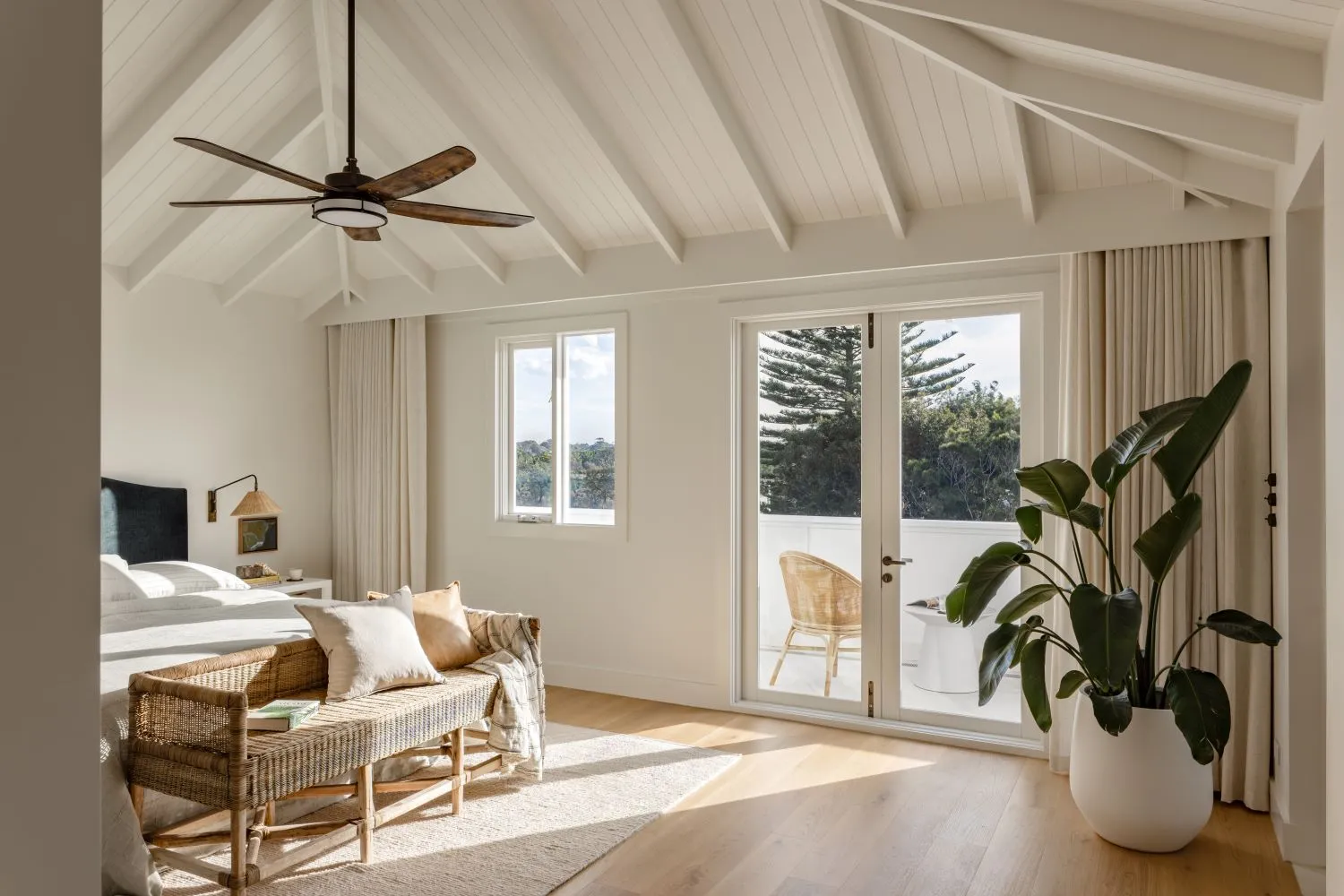
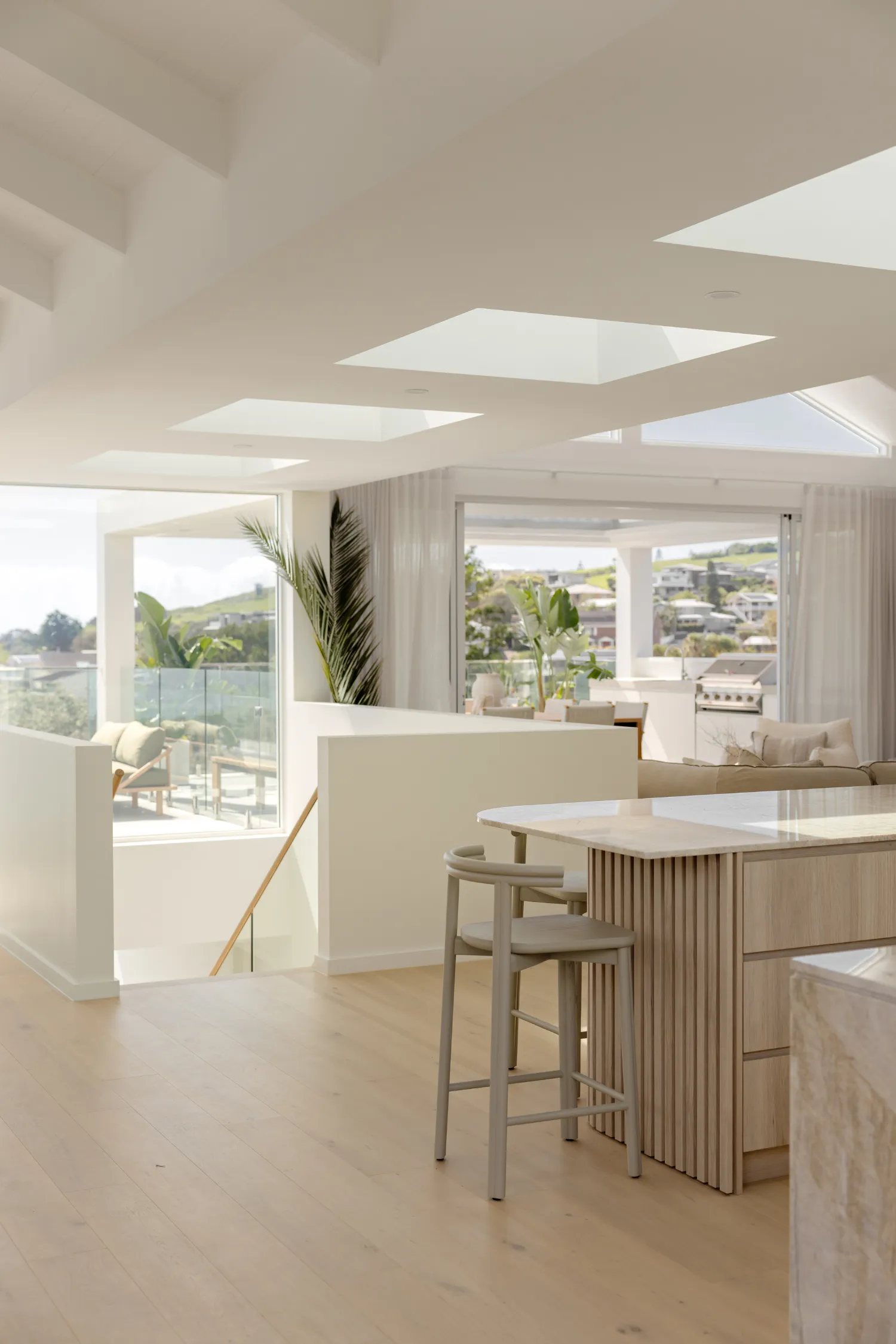
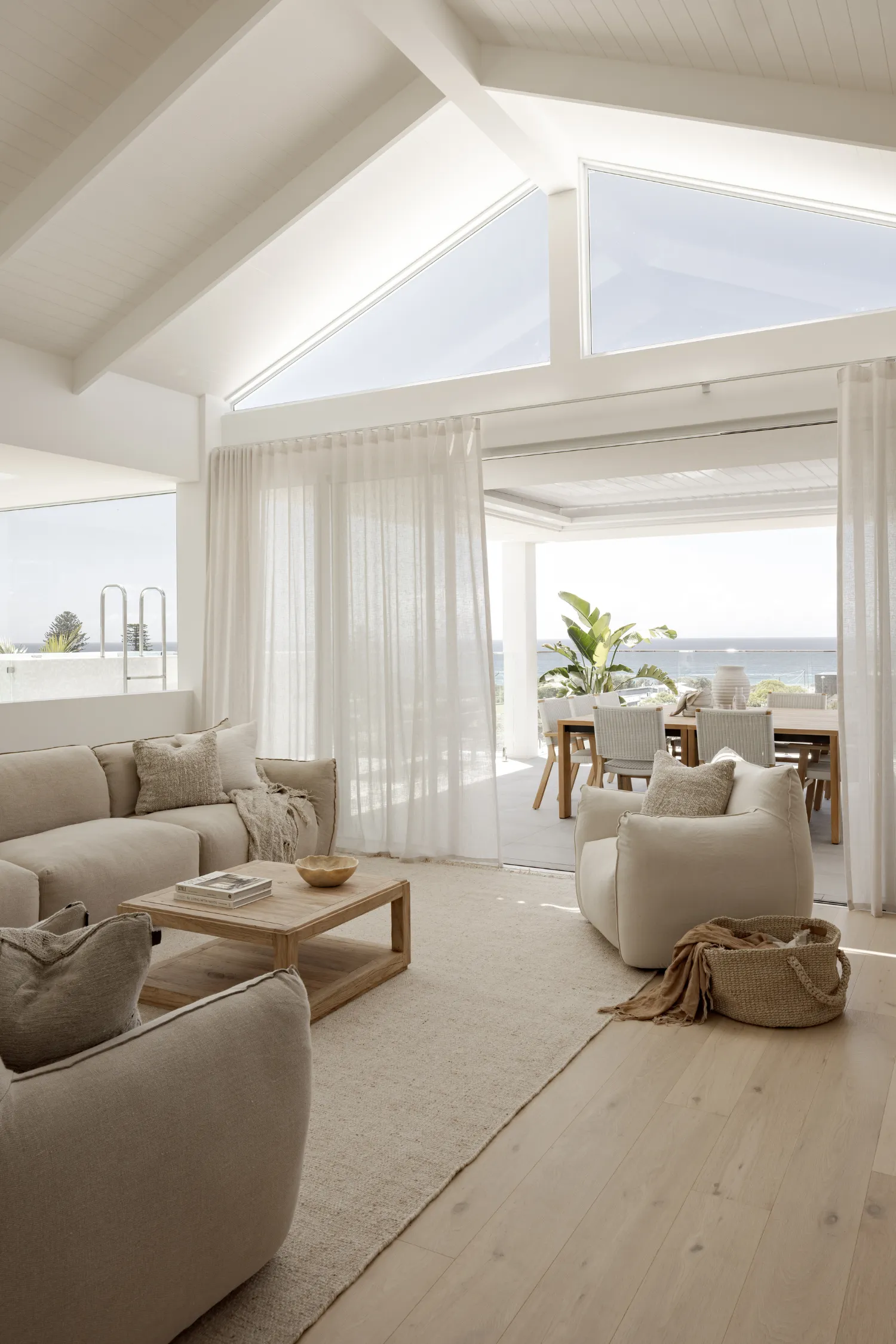
Design: SOUL Home | Photography: Nat Spada Photography
What Is Biophilic Design in 2026?
Biophilic design is rooted in the idea that humans thrive when connected to nature. In 2026, this principle is interpreted through a more refined, architectural lens. Rather than overt statements, we’re seeing subtle cues: organic materials, nature-inspired palettes, tactile surfaces, and layouts that encourage light, airflow, and movement.
For designers, biophilic interiors now sit comfortably alongside Japandi, warm minimalism, and wellness-focused homes, offering a timeless framework that feels both contemporary and deeply grounding.
Natural Materials With Honest Texture
In 2026, biophilic interiors celebrate materials in their most authentic form. Timber with visible grain, honed stone, limewash walls, clay finishes, and handcrafted ceramics are favoured for their imperfection and depth.
Rather than polished or high-gloss finishes, designers are leaning into matte, tactile surfaces that invite touch. Think oak flooring with character knots, travertine benchtops with soft veining, or textural wall treatments that mimic the movement of earth and sand.
For renovators, this approach works beautifully when updating kitchens, bathrooms, and living zones where materiality plays a larger role in daily experience.
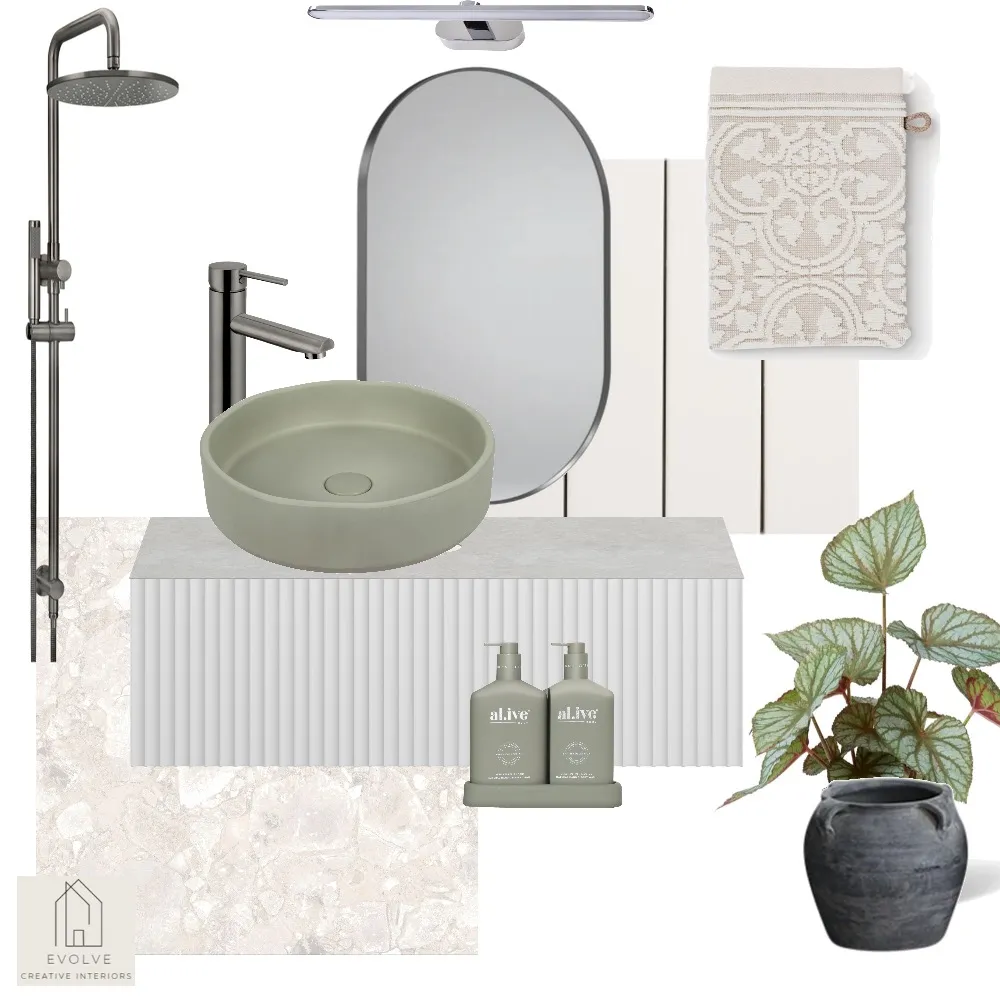
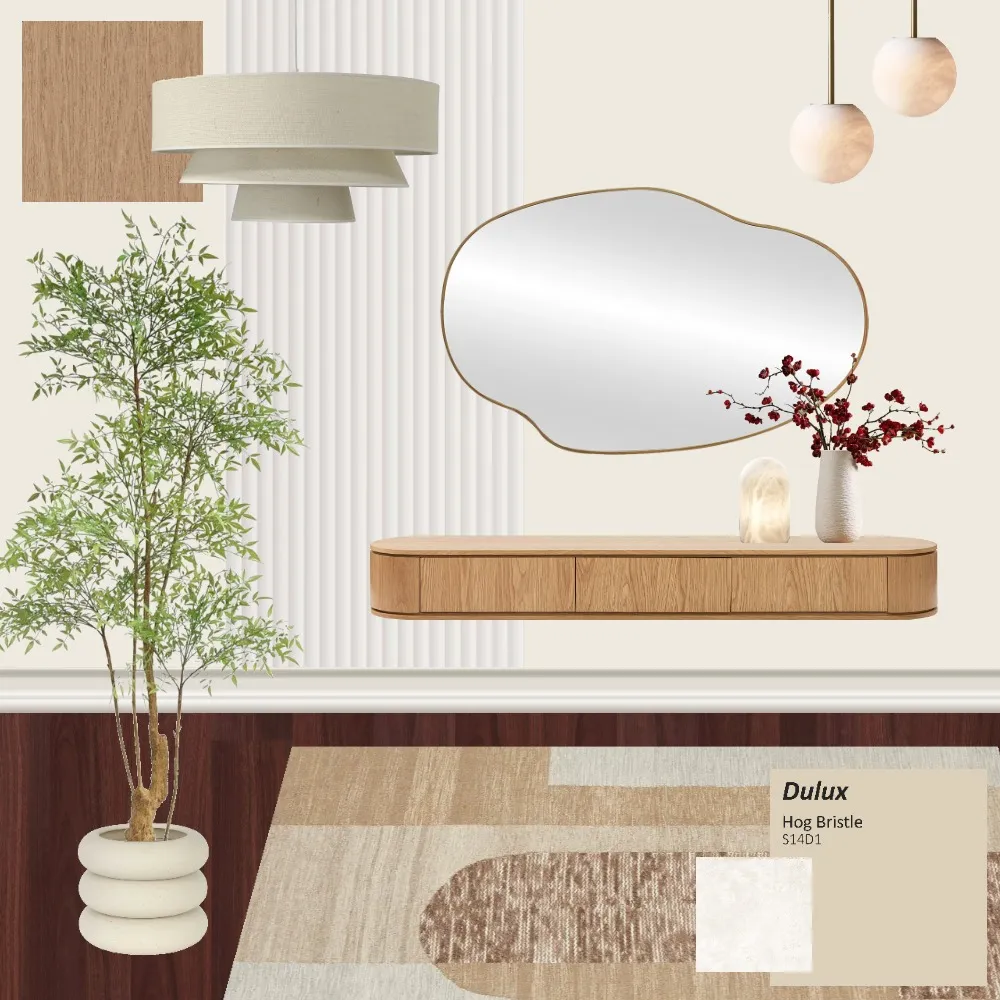
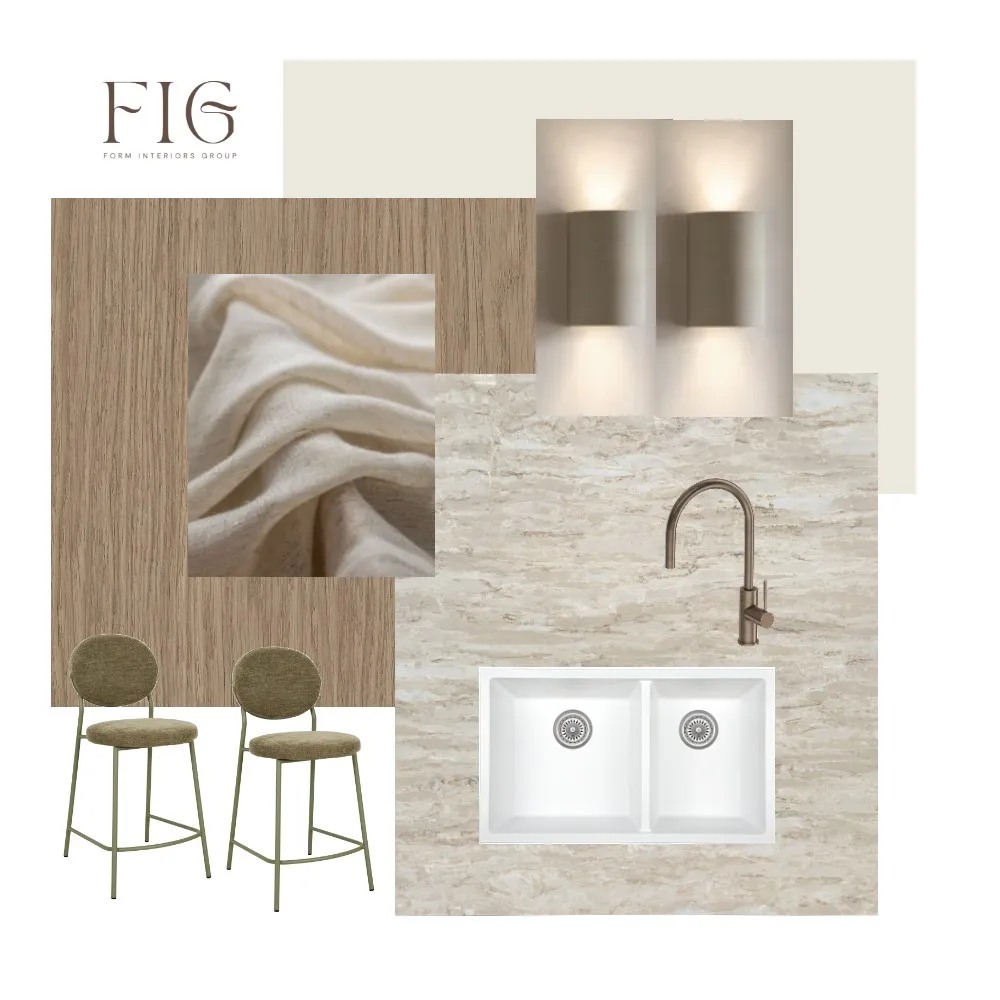
A Softer, Earth-Driven Colour Palette
Biophilic colour palettes for 2026 move away from stark whites and into nuanced, nature-led tones. Of course, we see the rise of white with Pantone’s Cloud Dancer, and Dulux Elemental in their Colour Forecast, but it’s all about how you style and layer. Warm neutrals, mossy greens, clay browns, muted taupes, and stone-inspired greys dominate interiors, creating spaces that feel calm and grounded.
These palettes work particularly well when layered (and on whites), pairing warm wall colours with timber joinery, stone surfaces, and soft furnishings in tonal variations. For designers, this approach offers flexibility across residential projects while maintaining a cohesive, wellness-driven aesthetic.
Indoor-Outdoor Flow as a Design Priority
Blurring the line between indoors and outdoors remains a key biophilic principle, but in 2026, it’s about functionality as much as visual connection. Large openings, sliding doors, and consistent flooring materials help extend living spaces outward, while thoughtfully designed courtyards, balconies, and gardens become true extensions of the home.
For renovations, even small interventions can make an impact: repositioning windows to capture garden views, introducing skylights, or creating a dedicated indoor plant zone that visually anchors the space. We’ve seen this in our most recent mood board project Style Edit, where the Orchard Project has consistent floor-to-ceiling windows framed with black muntins from room-to-room. This is just one example of how tasteful and effective this kind of design can be in the home.
Design: Tameka Moffat Designs + Futureflip | Photography: Nat Spada Photography
Design: Tameka Moffat Designs + Futureflip | Photography: Nat Spada Photography
Living With Greenery (Thoughtfully)
Plants are still central to biophilic design, but the focus has shifted from quantity to placement and purpose. In 2026, greenery is curated, being integrated into joinery, shelving, and architectural features rather than scattered throughout a space.
Designers are opting for a mix of statement plants, vertical gardens, and low-maintenance species that thrive indoors. In kitchens and bathrooms, herbs and moisture-loving plants enhance both function and atmosphere, reinforcing the idea that biophilic design should be lived with, not just admired.
Sensory Design and Wellness-Centred Spaces
Biophilic interiors in 2026 extend beyond the visual. Acoustic comfort, air quality, natural light, and thermal balance are all part of the design equation. Soft furnishings, layered textiles, and natural fibres help absorb sound, while breathable materials and operable windows improve airflow and comfort.
Bedrooms, bathrooms, and wellness spaces are especially influenced by this shift. Designers are creating retreat-like zones that support rest, ritual, and recovery, from spa-inspired bathrooms with stone and timber finishes to bedrooms layered with calming colours and organic textures. A great example of this is our most recent home tour on Style Edit, showcasing the neutral, calming interiors of the Carlyle Lane Project.

Interior Design: Studio Haus Co | Photography: Villa Styling

Interior Design: Studio Haus Co | Photography: Villa Styling
Sustainable Choices With Longevity in Mind
Sustainability and biophilic design are intrinsically linked. In 2026, there’s a clear move toward investing in materials and products that are durable, ethically sourced, and designed to age gracefully.
For interior designers and renovators, this means prioritising quality over quantity, choosing timeless finishes, and specifying products that align with both environmental responsibility and long-term design value. You can find all sorts of products like this in our product library, with brands that keep quality at the forefront of their craftsmanship, making it easier to design spaces that are considered and enduring.
Why Biophilic Design Matters for the Future of Interiors
As homes continue to take on multiple roles, such as places to work, rest, entertain, and retreat, biophilic design offers a framework that supports both beauty and wellbeing. For designers and renovators, embracing biophilic principles in 2026 is about creating spaces that feel intuitive, nourishing, and deeply human. At its core, biophilic design encourages interiors to ground us, connect us to nature, and quietly enhance the way we live, now and into the future.
Ready to start your next project with biophilic design? Create a mood board and use Project Studio to curate earthy materials, indoor greenery, organic textures and natural finishes, while keeping every selection and concept organised in one place.